
Contact Us
or call us now 800.268.5620
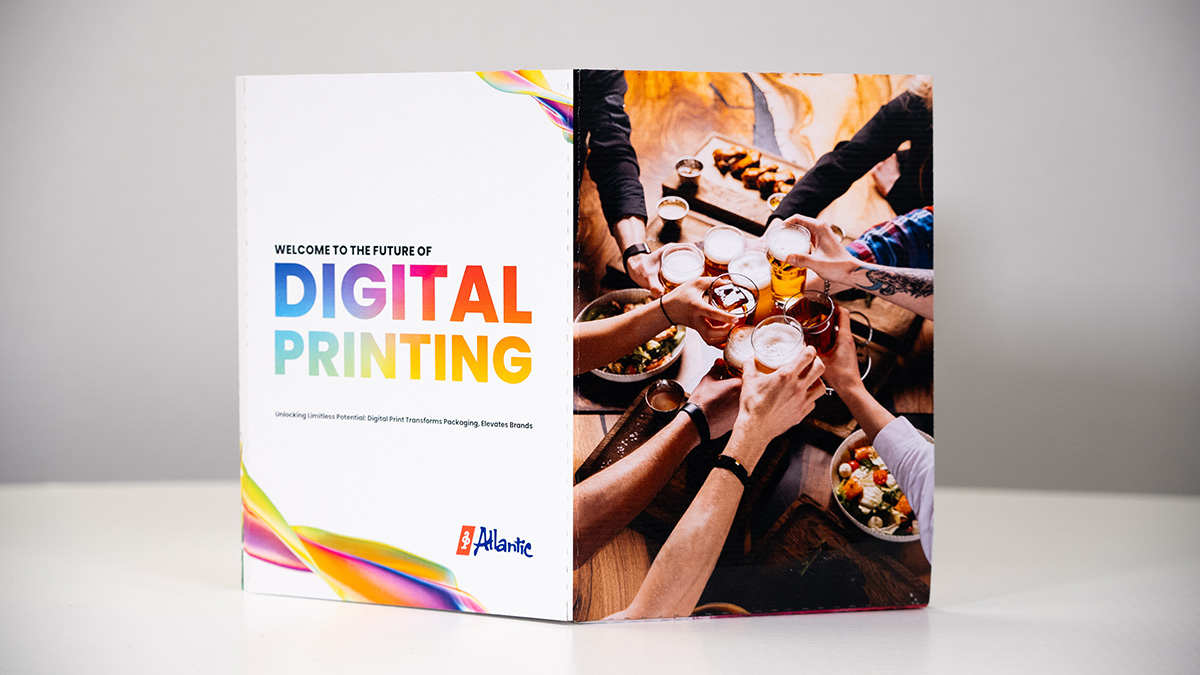
Packaging today is expected to do more, with greater speed, efficiency, and flexibility. Single-pass digital printing is helping drive this evolution by combining high-speed production with customization, high-impact graphics, and greater production flexibility.
Traditional corrugated printing methods, like flexographic printing, rely on physical plates and multiple passes to apply ink. Single-pass digital printing changes that process entirely. It allows packaging to be printed in one continuous pass, directly onto the corrugated board, with no plates required. The process is:
Modern single-pass presses are capable of high-speed production, helping digital printing move closer to traditional production volumes.
At Atlantic, we have been leveraging the advanced Durst single-pass digital printing technology, helping customers bring high-quality, adaptable packaging to market with greater speed and efficiency.
Speed is one of the most immediate benefits businesses experience. Because there are no plates to create or swap out, packaging designs can be updated quickly. This is especially valuable in environments where product assortments, promotions, or regulatory requirements shift frequently.
Businesses can launch packaging for new products faster, respond more efficiently to seasonal or regional variations, and reduce lead times across production cycles. In many cases, digital workflows can reduce setup times significantly, improving overall production responsiveness. Many businesses are moving toward more demand-driven packaging models, and digital printing is helping support that shift.
One of the standout capabilities of single-pass digital printing is the ability to run variable designs within the same production run — without slowing production down. This allows packaging to be adapted for:
At the same time, digital printing makes shorter print runs more viable, helping reduce the need for large volumes of pre-printed inventory sitting in storage. As brands continue to expand product offerings and packaging variations across industries, this level of flexibility is becoming increasingly important.
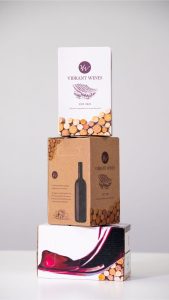 Digital printing technology has advanced significantly in recent years. Today’s systems deliver high-resolution graphics with resolutions reaching up to 800 dpi, alongside improved colour consistency and sharper text and image reproduction. This allows corrugated packaging to support stronger visual presentation for retail display, branding, and product identification.
Importantly, digital printing can maintain consistent quality across both short and longer runs, something that has historically been more difficult when switching between jobs or production volumes.
Single-pass digital printing also aligns well with broader sustainability priorities. By eliminating printing plates and reducing setup requirements, it helps lower material waste during production, reduce overproduction and obsolete inventory, and minimize changeover-related inefficiencies.
Corrugated packaging already supports strong sustainability goals through recyclable materials and more efficient production processes. Digital printing further supports these efforts by reducing setup waste, overproduction, and excess inventory.
Reducing the overproduction of pre-printed packaging is an often overlooked opportunity to improve operational efficiency and reduce waste, and digital printing helps address it directly.
For a long time, digital printing was primarily associated with short-run applications. That perception is continuing to evolve.
With improvements in speed and throughput, single-pass digital printing is now capable of supporting medium- to higher-volume production, making it a practical complement to traditional flexographic printing rather than a replacement for it. Businesses are increasingly using both approaches side by side, choosing the right method based on:
It is not an either-or decision. It is about having the right tools available at the right time.
At the Atlantic Packaging group of companies, we continue to invest in advanced digital printing capabilities to support evolving customer needs with both short-run flexibility and high-impact graphics.
As brands continue to prioritize operational efficiency, sustainability, customization, and customer experience, digital printing will play an important role in helping packaging evolve. By combining structural design expertise with advanced print technologies, Atlantic is helping customers with greater flexibility, high-impact graphics,, reduced waste, and vibrant packaging.


© 2026 Atlantic Packaging Products Ltd. All rights reserved.